O Come, Emmanuel - AI Stage Visual Design
O Come Emmanuel was a 2025 Christmas stage production created for Steps to Christ SDA Church in Federal Way, Washington. For this project, I developed a new series of AI-generated biblical visuals for LED wall presentation, designed to support a more intimate and emotionally focused retelling of the birth of Christ.
Unlike the previous year’s production, which moved across a wider prophetic and biblical landscape, this project centered more directly on the human tension surrounding the Nativity story — especially the emotional and social weight carried by Mary and Joseph. The visual challenge was to create imagery that felt cinematic and historically suggestive, while also giving the production a quieter, more personal dramatic atmosphere.



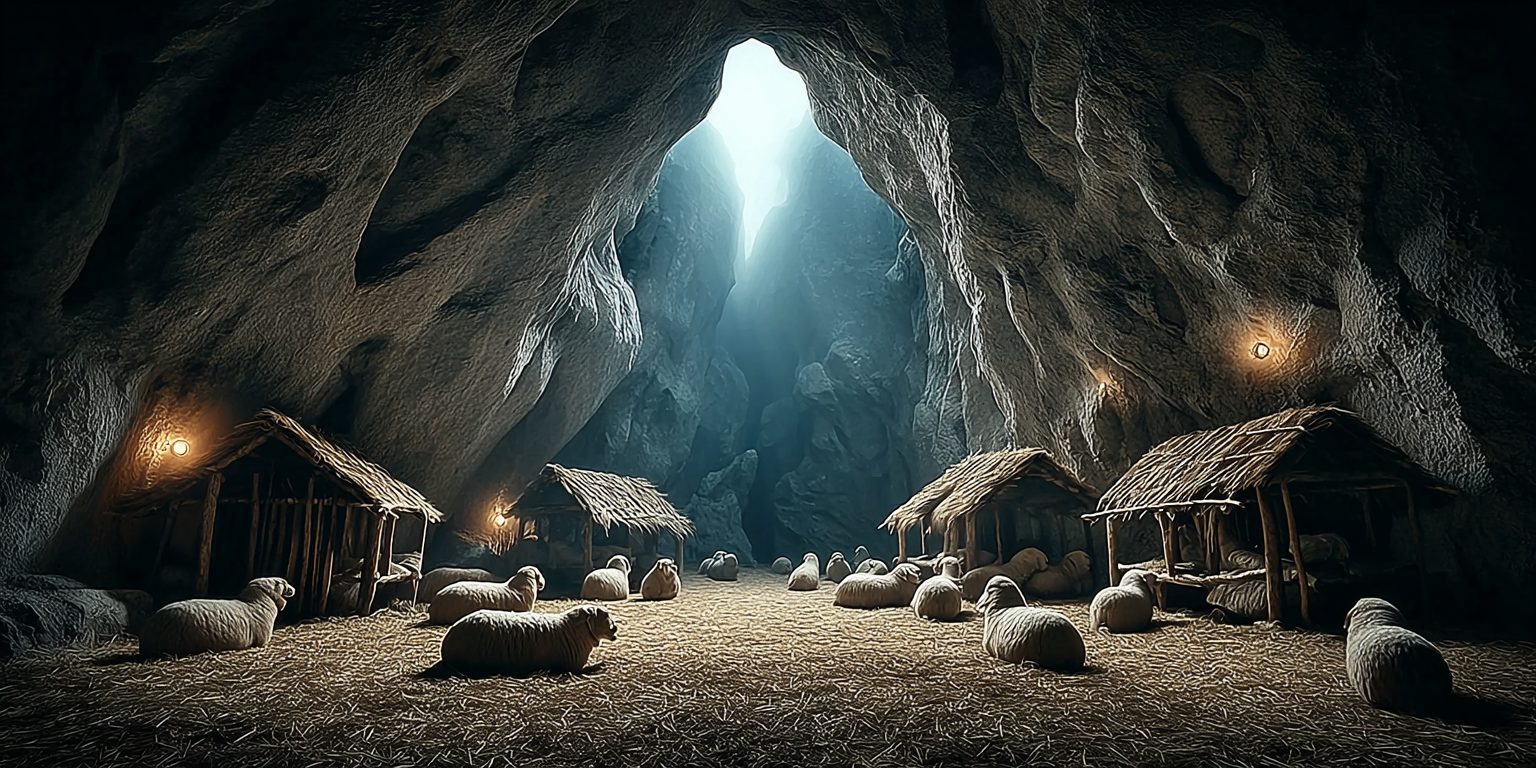


The visuals shown above were created through an art-direction process that combined prompt development, image generation, selection, and refinement across multiple scenes. My goal was not only to create biblical imagery, but to shape a visual language that could support the emotional arc of the production — moving between uncertainty, vulnerability, divine interruption, and hope.
This led me to pursue imagery that felt more intimate and relational in tone, while still preserving the darker cinematic realism that worked so well on stage. Instead of relying on decorative holiday imagery, I focused on environments, lighting, and compositions that could reinforce the emotional stakes of the story and remain effective within a live LED wall setting.


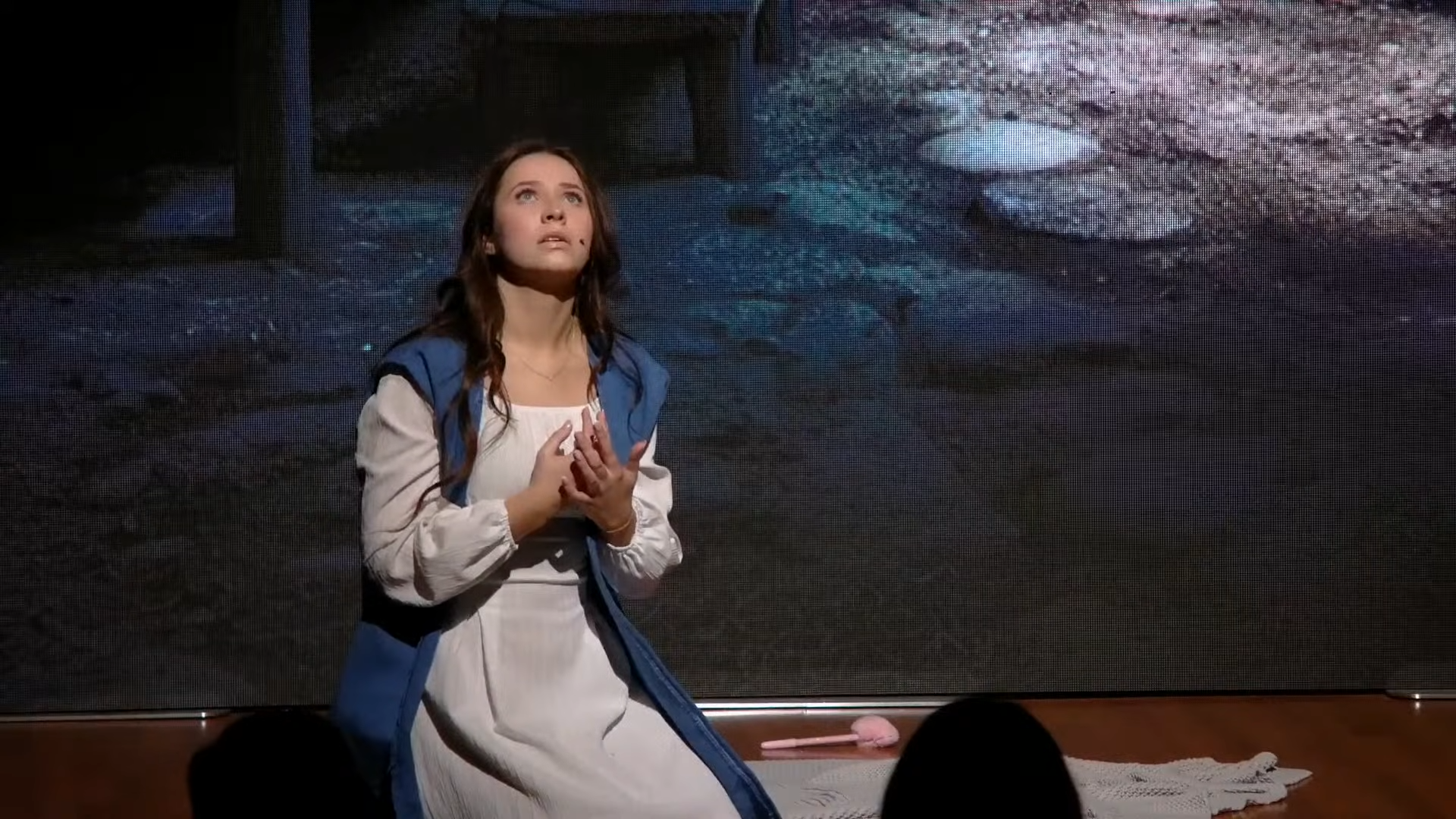


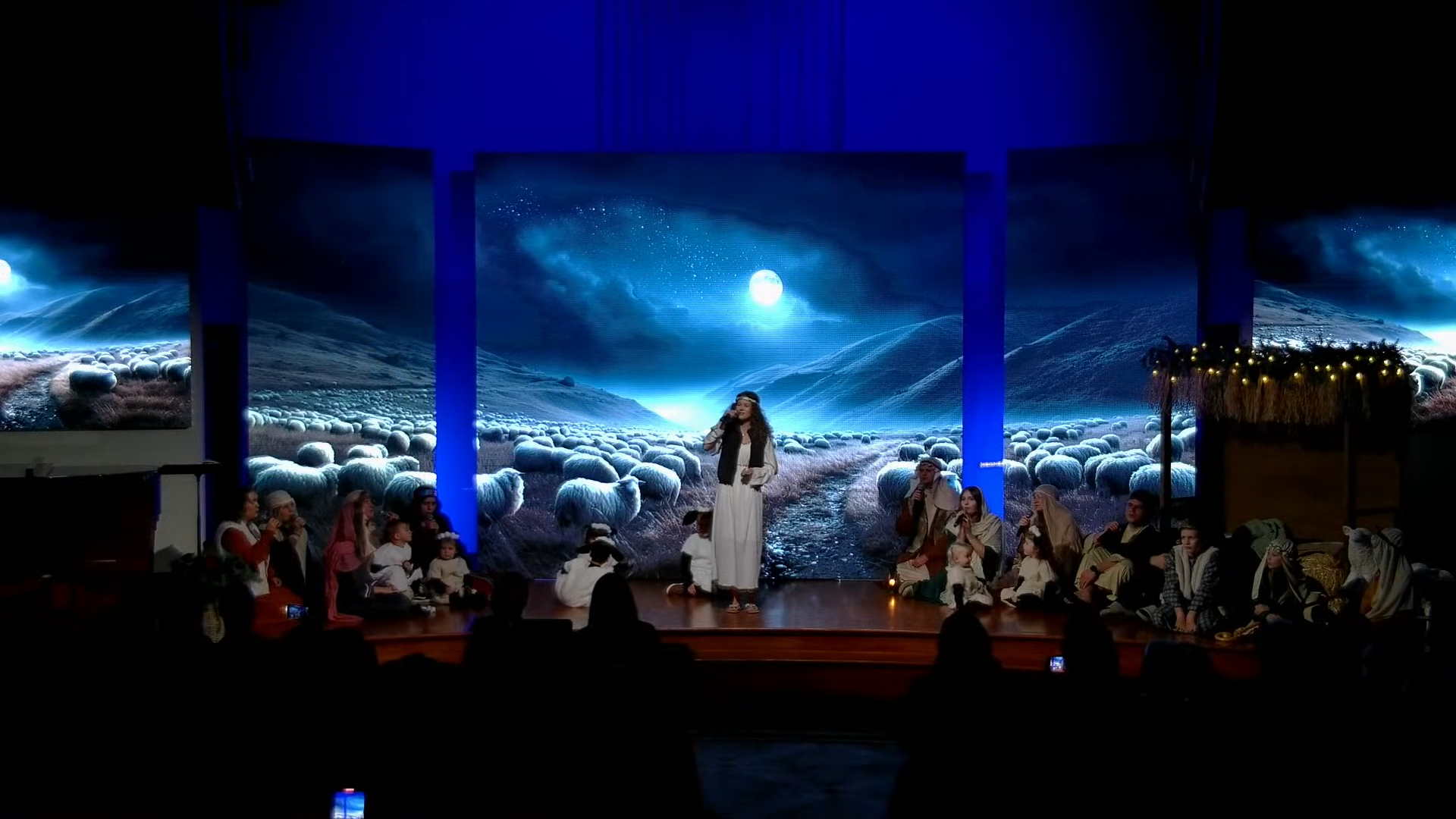
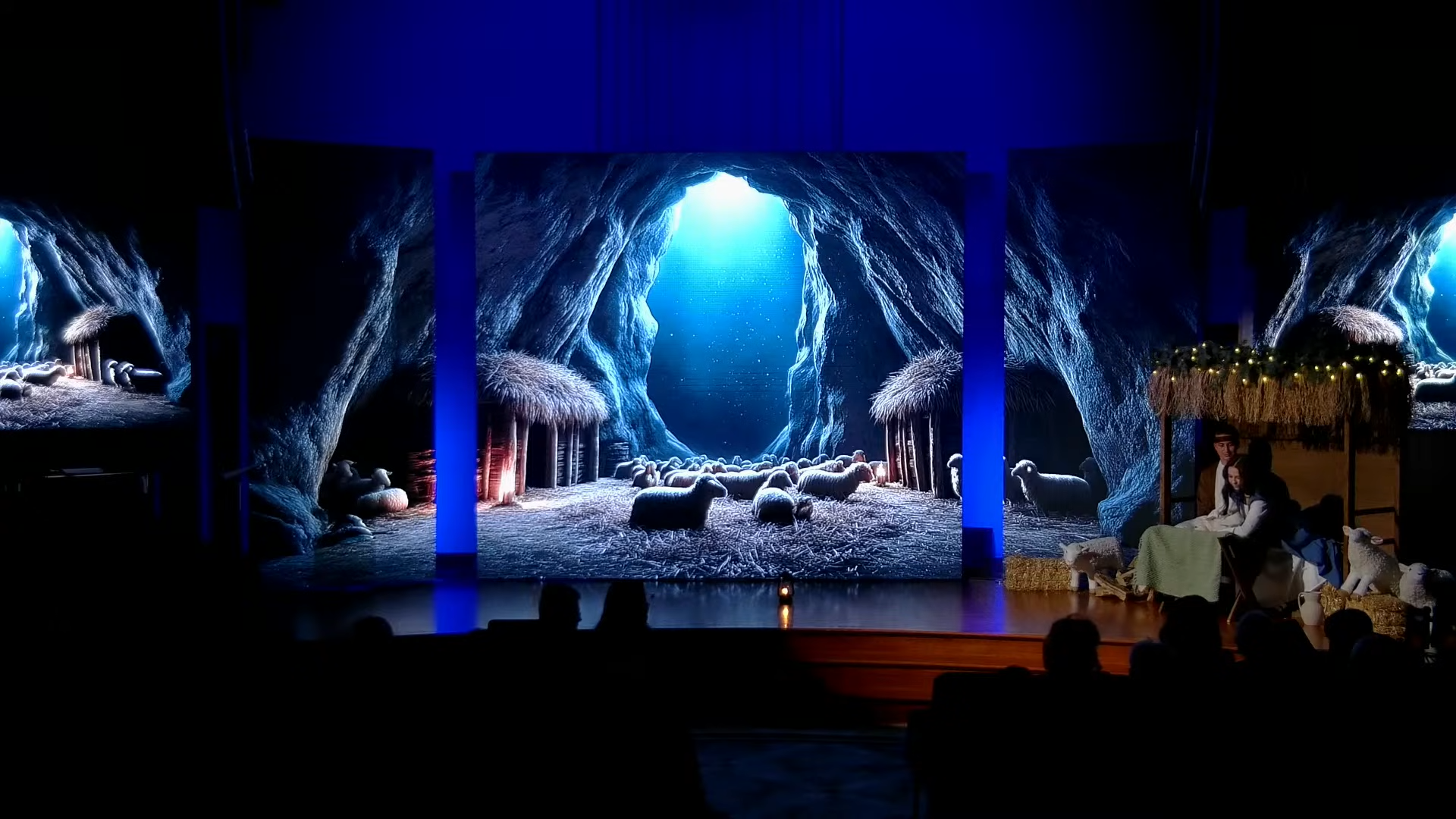

In the final production, these visuals became part of a live stage environment shaped by performance, lighting, and camera framing. The LED wall was not treated as a passive backdrop, but as a storytelling surface that helped deepen the atmosphere of each scene and connect the audience more closely to the emotional world of the characters.
This project reflects my interest in using generative image tools as part of a directed creative workflow rather than as an end in themselves. For me, the value of AI in this context was not simply speed, but the ability to explore visual possibilities, refine tone, and build stage-ready imagery that serves both the story and the live production environment.